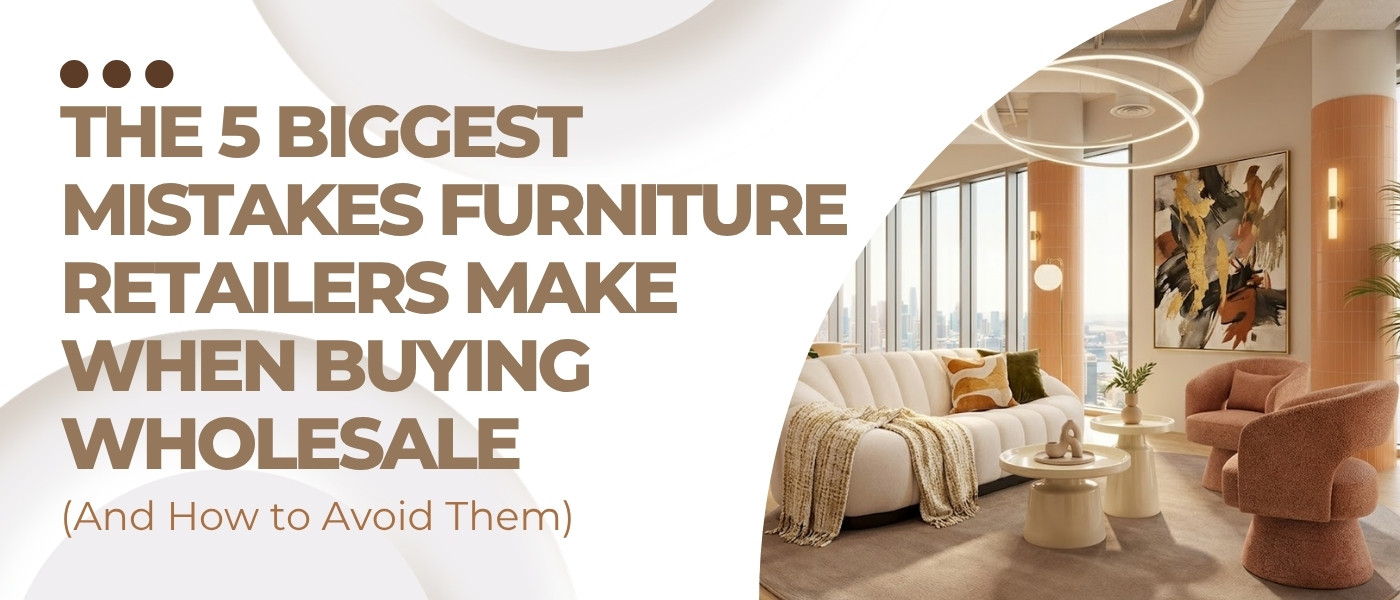
Furniture is one of the few categories where “seeing it in person” isn’t a luxury—it’s often the fastest path to a confident decision. A photo can show a silhouette, but it can’t fully communicate scale in a room, how a chair supports you, how a finish catches light, or how a collection feels when it’s merchandised as a real environment. That’s the foundation of why trade shows still matter, even as buying gets more digital each year.
For the furniture industry, trade shows have become something bigger than a showroom with name badges. They’re where relationships get refreshed, assortments get edited, programs get negotiated, problems get solved, and new ideas get tested—face to face, in real time. When you zoom out, markets like High Point and Las Vegas function as an industry operating system: exhibitors get feedback, retailers place bets, designers validate concepts, online sellers capture content, and specifiers align product realities with project constraints.
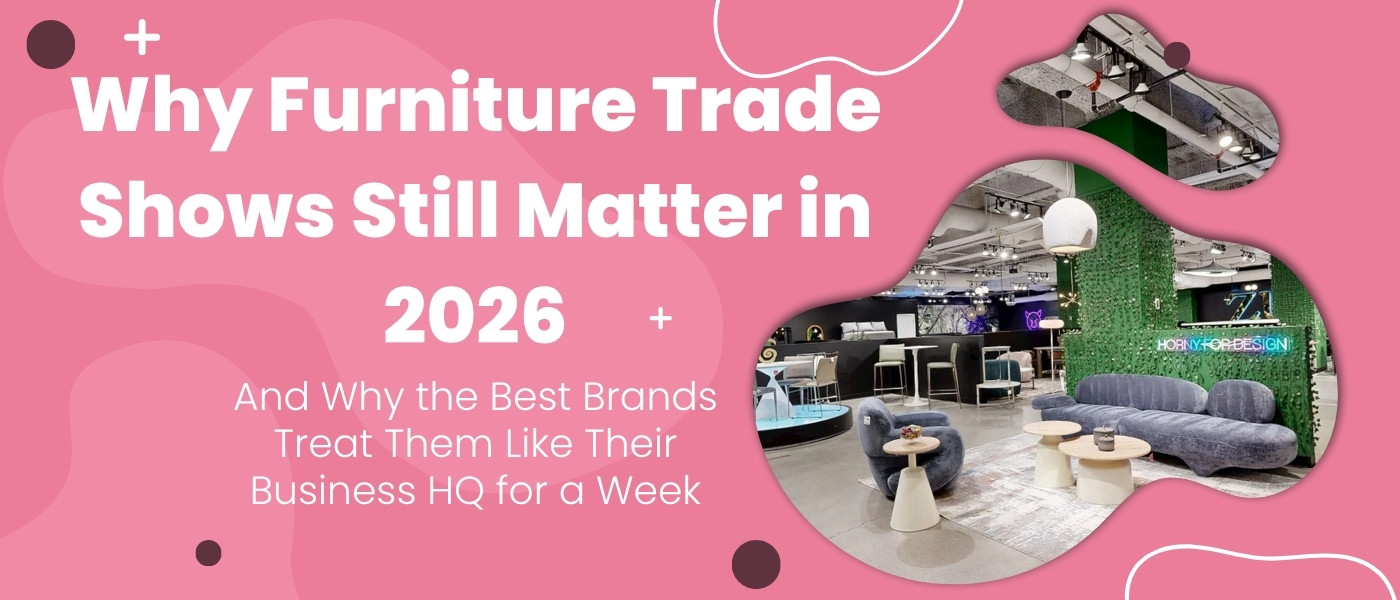
Zuo Modern is a good case study of how a brand can treat trade shows as both a physical experience and a year-round platform—through published trade show schedules, market-specific launches, hospitality-focused activations, and virtual showrooms that extend the reach beyond the show dates.
Trade shows are the fastest way to compress the entire business cycle into a few days
A typical furniture buying cycle can be slow: discovery, comparison, sampling, internal alignment, negotiation, ordering, and merchandising decisions. Trade shows compress that cycle because the whole ecosystem is in one place at the same time. For many companies, the market week becomes the moment where months of emails and spreadsheets turn into clear choices.
That matters because furniture is a high-commitment product. Retailers have to plan floor space. Designers and specifiers have to protect concept integrity while meeting real-world lead times and budgets. Online retailers must choose winners that won’t create returns or damage their reviews. Exhibitors need signal—what’s resonating, what isn’t, and what must be improved before the next season.
High Point Market is often referenced as the largest home furnishings industry trade show, drawing thousands of exhibitors and tens of thousands of attendees. Whether you use that statistic in marketing or not, the practical takeaway is simple: when everyone who matters is present, decisions move.
Why trade shows matter for exhibitors: feedback, distribution, and trust—at human speed
For exhibitors, a market isn’t just a place to “show new stuff.” It’s a business-development environment.
1) You learn what people
actually
mean when they say “We love it”
In-person reactions are more detailed than digital feedback. Buyers will tell you why they’re leaning in: “This solves my floor gap,” “That price point hits,” “I need this in a performance fabric,” or “That scale works for apartments, not just large homes.” Those comments shape future development—and they’re hardest to get from a web form.
Zuo’s market announcements emphasize launches and how collections are meant to perform across residential and hospitality contexts, which is exactly the kind of positioning refined by market conversations.
2) You strengthen distribution by reducing perceived risk
A retailer’s biggest fear is not “the product is ugly.” It’s “I’m stuck with inventory.” Designers worry about specifying something they can’t rely on. Specifiers worry about long-term consistency in a project. The more a buyer can touch, sit, and walk through an assortment, the lower the perceived risk.
That’s one reason Zuo leans into showroom experiences and tools that make “walking the line” easier—even beyond the physical show. Their use of virtual showroom formats (including market virtual shows and 3D/virtual tour experiences) extends that risk-reduction for people who can’t travel.
3) You conduct real negotiations with context, not just numbers
Trade terms, freight considerations, minimums, dropship policies, and promotional calendars become easier to align when the buyer is standing inside the story you’re selling. Pricing and programs make more sense when the buyer can see exactly how it will merchandise.
Zuo has used market moments not only for product news but also for business initiatives tied to the season (for example, market-timed announcements).
Why trade shows matter for retailers: assortment strategy and merchandising decisions happen in 3D
Retailers aren’t just buying product; they’re building a floor and a plan.
1) Merchandising is easier when you can see a collection “as a room”
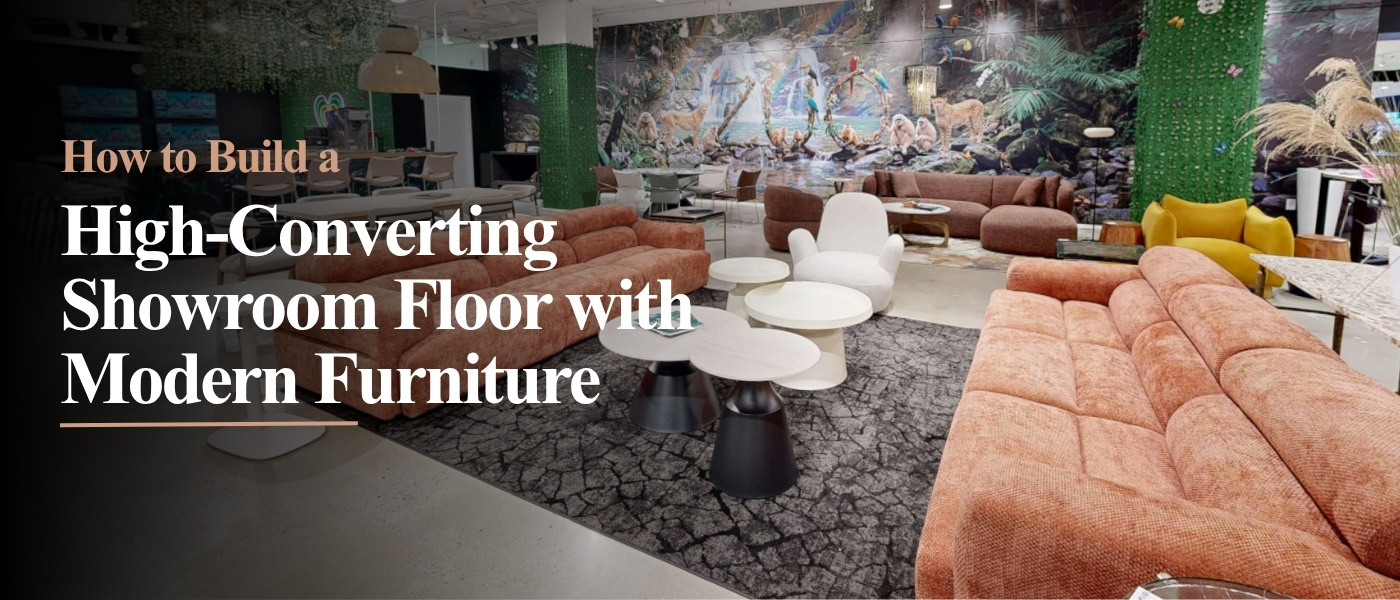
A showroom is effectively a merchandised prototype. Retailers can evaluate whether a vendor’s collection supports multiple vignettes (living, dining, occasional, outdoor) and whether it feels cohesive across styles. That’s hard to do from isolated product shots.
2) You can spot gaps and redundancies faster
In a market, a buyer can walk 10–20 showrooms and see what’s saturated and what feels new. That helps retailers avoid buying “more of the same” and instead fill real gaps in their floor: a missing price point, a missing silhouette, or an underperforming category.
3) You can plan the year
Retail isn’t only about what you sell; it’s also when you sell it. Markets help retailers map their seasonality: outdoor refreshes, back-to-school apartment moves, holiday entertaining, and spring renovations.
Zuo’s trade show schedule page (and market-focused blog posts) reflect this reality—markets are timing anchors for planning assortments and placing orders around seasonal demand.
Why trade shows matter for designers and specifiers: faster approvals, fewer mistakes, better sourcing clarity
Designers and specifiers often manage the hardest version of the furniture problem: they have to satisfy aesthetics, performance, budget, and stakeholder expectations, all at once.
1) It’s the fastest way to validate scale, comfort, and cohesion
A designer can “know” a chair is beautiful and still discover it sits too low for the project or feels too rigid for a lobby dwell time. Market visits reduce those surprises early.
2) You can solve sourcing questions in one conversation
Need alternates? Need a finish to coordinate? Need something that bridges two styles? These are questions that can take weeks by email. At a market, they can be solved in minutes because the product is right there and the team is present.
Zuo’s High Point content regularly positions their showroom as a place to explore launches and make those decisions in person (and through tools like DiscoverMarket-style exploration).
3) Hospitality and contract requirements get clarified faster
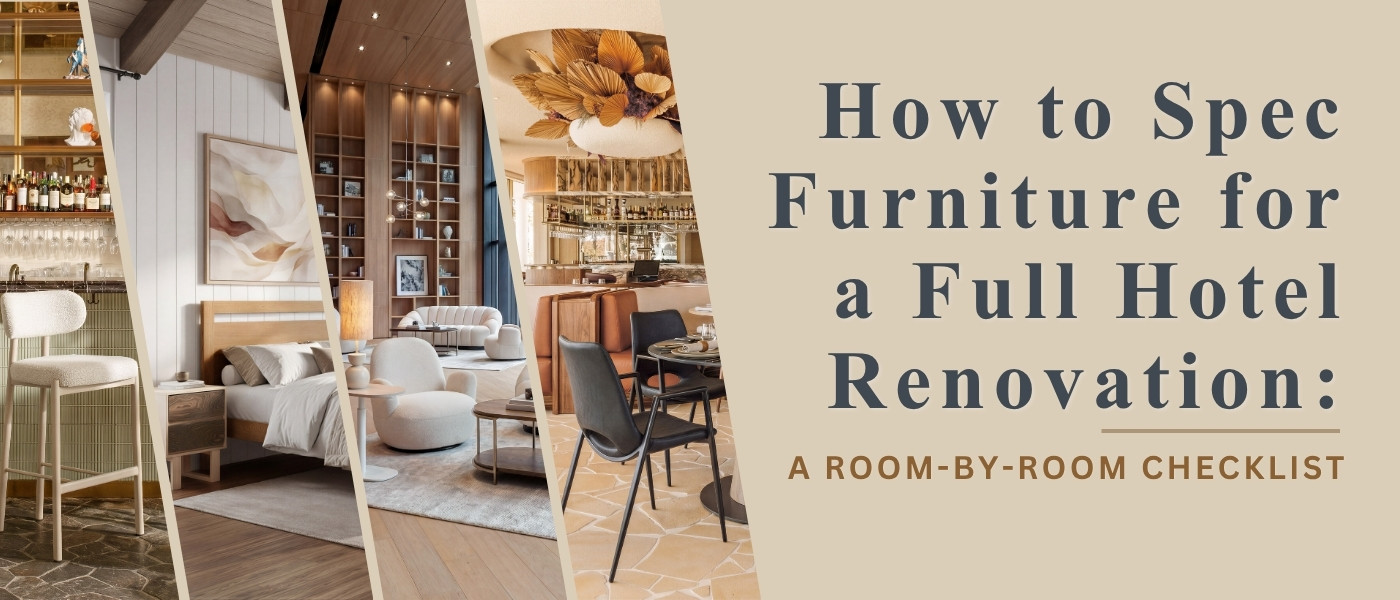
Specifiers, especially in hospitality, have a different set of pressures: durability narratives, program consistency, and the realities of multi-space environments. Zuo’s hospitality-facing “Events & Tradeshows” positioning speaks directly to that world—using curated collections to support event setups and display environments, which overlaps heavily with contract thinking.
Why trade shows matter for online retailers: content, confidence, and fewer returns
Online furniture sellers live and die by content quality and product predictability. Markets help in three practical ways:
1) Content capture
Showrooms are built for storytelling. Online retailers can capture imagery, video, and merchandising context that makes product pages convert better. Even if final assets come from studio shoots, markets help teams choose which items are worth investing in.
Zuo’s virtual trade show and virtual showroom initiatives reinforce the reality that online selling needs more than isolated images; it needs a browsable “environment” experience.
2) Assortment confidence
A return in furniture is expensive. Market visits help online retailers reduce the mismatch between expectation and reality by validating proportions, finishes, and build feel.
3) Relationship access
Even for digital-first sellers, the humans matter. When a brand recognizes you, understands your channel, and knows your merchandising approach, support tends to be faster and more aligned.
Trade shows aren’t only physical anymore—great exhibitors build hybrid “markets”
One of the biggest shifts in the last few years is that “market” no longer means “only if you fly in.” The best brands now treat the showroom week as the anchor event, then extend it with virtual experiences, follow-up content, and tools that let buyers revisit the line after they’re home.
Zuo has leaned into this hybrid approach in multiple ways: a published trade show schedule for planning, market recap content, and virtual tours/virtual shows that keep the showroom accessible beyond the event dates.
This matters because different stakeholders use shows differently:
• A retailer might visit in person for one day, then revisit virtually while building a buy plan.
• A designer might walk the showroom for material confirmation, then share a virtual tour with a client team.
• An online retailer might attend digitally, then schedule samples and content requests afterward.
Hybrid market experiences turn a 4–5 day event into a longer decision window—which is what modern procurement needs.
How Zuo Modern fits into the “trade show value chain”
Zuo’s positioning across its trade show content is consistent: modern, design-forward product that spans multiple categories and applications, with specific emphasis on hospitality and market launches.
A few concrete ways that tie back to why shows matter:
• Planning & accessibility: Zuo publishes a trade show schedule so buyers can plan market visits and connect with contacts.
• Newness & relevance: Market posts highlight new product releases and seasonal focus (including outdoor and broader category updates).
• Hospitality focus: Zuo has emphasized hospitality presence and offerings, including market-related hospitality showroom expansion messaging and hospitality-focused trade show/event content.
• Hybrid showroom experience: Virtual market experiences and 3D tours extend the reach of the showroom beyond the physical event.
In practical terms, that means exhibitors like Zuo aren’t treating trade shows as “a booth.” They’re treating them as a relationship platform that supports retailers, designers, online sellers, and specifiers at different stages of decision-making.
The real reason trade shows remain valuable: the industry still runs on alignment
When people talk about trade shows being “important,” they often make it sound sentimental—like tradition. The real reason is more tactical: the industry needs alignment. Furniture decisions are high stakes, and the business has many moving parts: product development, distribution, merchandising, pricing, shipping, project timelines, and brand storytelling.
Trade shows align those parts in a way that digital alone still struggles to replicate. They make it easier to see the product, meet the people behind it, and make decisions with confidence.
And when a brand like Zuo Modern backs that in-person experience with schedules, market content, hospitality investment, and virtual showrooms, trade shows stop being a few days on a calendar. They become the engine that drives the rest of the year.
If you’re attending a market this year, treat it like a working week—not a browsing trip. Walk with a goal: tighten your assortment, confirm your program decisions, and strengthen the relationships that make your next quarter easier.
And if you want a modern partner that shows up with newness, category breadth, hospitality relevance, and hybrid showroom tools, put Zuo Modern on your market list and start with their trade show schedule to plan your visit.
Email us at hello@zuomod.com with any questions.
Or give us a call at 510-877-4087 (Mon–Fri: 5:00 AM–5:00 PM PT)