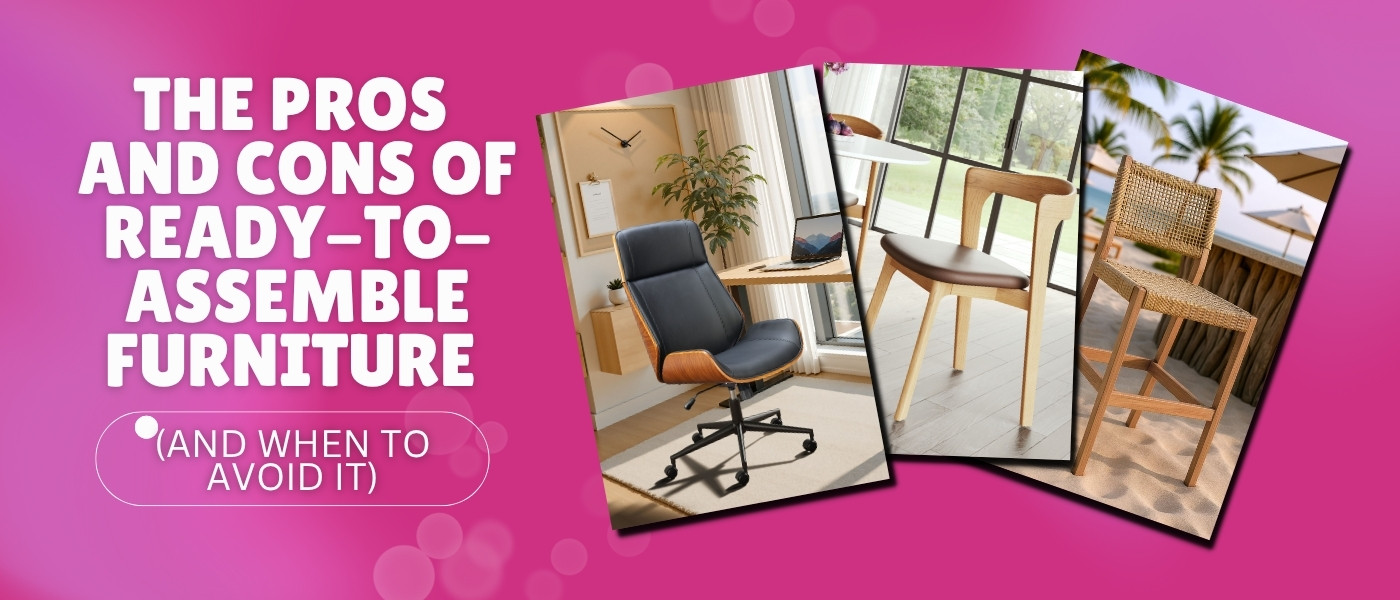
Ready to assemble (RTA) furniture—also called flat pack or knock down—has transformed the way consumers access stylish furnishings. These pieces ship disassembled and packaged compactly with fasteners and tools, allowing DIY assembly at the destination. Brands such as IKEA popularized this format by leveraging transport efficiency and cost savings to offer lower retail prices. RTA has broad appeal for budget-conscious consumers and online retailers alike.
Yet for higher end modern brands like Zuo Modern, whose core offerings span durable indoor and outdoor furniture, most SKUs are shipped fully assembled or partially assembled to preserve quality and aesthetics. Understanding the tradeoffs between RTA and assembled shipments is vital for retailers, designers, and homeowners alike.
Benefit #1: Lower Shipping Costs and Logistics
The most obvious advantage of RTA furniture is cost efficiency in shipping. When furniture ships flat, it takes up less volume, reducing freight rates in air, ocean, or land transport. This wins big in terms of warehouse storage and distribution centers too. Brands and retailers pass these savings on to customers, making RTA attractive to homeowners and small businesses looking to save on delivery costs.
Zuo, by contrast, maintains strict control over shipping logistics through strategic freight contracts and a U.S. warehouse location. This allows them to absorb much of the ocean freight volatility and deliver fully assembled goods efficiently and predictably. For retailers stocking hospitality-grade furniture, the incremental cost of shipping a pre-assembled piece is justified by quality control and time saved on delivery.
Benefit #2: Price Accessibility vs. Perceived Value
RTA furniture is priced lower because manufacturers save on assembly labor, packaging, and freight. That makes it appealing to value-driven demographics. However, for stores carrying Zuo Modern’s curated, design-forward lines, the perception of durability, craftsmanship, and finish conveys luxury and enhances brand positioning. Fully assembled deliveries reinforce this premium feel.
However, for stores carrying Zuo Modern’s curated, design-forward lines, the perception of durability, craftsmanship, and finish conveys luxury and enhances brand positioning. Fully assembled deliveries reinforce this premium feel. Customers perceive higher value when a piece arrives ready to use—especially retailers and hospitality specifiers placing emphasis on guest experience.
Drawback #1: Durability and Structural Integrity
RTA furniture is often constructed using lighter materials for easier shipping, which may affect long-term durability. In contrast, Zuo’s mostly assembled furniture uses plywood frames, double doweled joinery, and contract-grade finishes for greater longevity.
In contrast, Zuo’s mostly assembled furniture typically uses plywood frames, double doweled joinery, rubberwood legs, and contract grade upholstery and foam. These materials offer proven durability in both residential and hospitality environments—an important distinction for accounts expecting daily turnover or multi-use longevity.
Drawback #2: Assembly Burden & Customer Experience
Some homeowners and shoppers may enjoy the DIY aspect of RTA—but others find it stressful or time-consuming, especially when parts or instructions are missing. Service complaints in furniture retail often relate to faulty or tedious assembly, and in the hospitality sector, staff time is costly.
Benefit #3: Inventory Flexibility & Stock Efficiency
Retailers benefit from RTA’s compact packaging because it allows diverse SKUs to be stocked visible in smaller warehouses without excessive expense. Seasonal or finish variants can be maintained without tying up space. For smaller retail operations or e commerce sellers, that flexibility supports agile assortments.
Zuo maintains extensive in-stock inventory (95% plus), supporting quick ship and consistent availability across furniture, lighting, and décor. Rather than relying on knock-down models, Zuo’s logistical model allows retailer partners to order full product sets and quantities without worrying about shipping delays or stockouts.
Drawback #3: Quality Perception and Brand Fit
For premium, design-conscious brands, RTA can feel misaligned—especially where tangible quality is critical. Finishes may scrape during assembly, corners may misalign, and adhesive seams may appear over time. With customer reviews frequently citing durability issues or disassembly mistakes, the format carries reputational risk in higher-end segments.
Zuo’s commitment to design-forward, contract-rated furniture means shipped pieces arrive intact and factory-assembled to exact specifications. This attention to presentation reinforces retailer credibility and supports stronger pricing justification.
Benefit #4: Affordability for Entry-Level or Pop-Up Needs
One place RTA excels is in entry-level, youth-focused, or temporary environments—think student rentals, transitional homes, or staging for pop-up retail. RTA’s lower cost and lighter weight make it easier to rotate items seasonally or test-staff displays.
However, for flagship showrooms, hospitality suites, or long-term residential installations, Zuo’s fully assembled pieces offer better returns through perceived value, ease of installation, and lower service burden.
Zuo Modern’s Hybrid Approach (When Applicable)
While most Zuo products ship assembled, the company may offer select knock-down or modular options where logistics, size, or custom finishes warrant it. However, their blog and shipping policies emphasize how standard furniture lines are treated with white-glove standards—including removal of packaging and up to 90 minutes of in-home minor setup, all not available for RTA items . This illustrates Zuo’s positioning against traditional RTA.
Comparative Table: RTA vs. Fully-Assembled (Zuo Modern)
| Feature |
Ready to Assemble (RTA) |
Zuo Modern Fully Assembled / White Glove |
| Shipping Cost |
Low (flat-packed, compact) |
Higher (bulkier, pre-assembled freight) |
| Durability |
Moderate (MDF, particle board, cam joints) |
High (plywood, dowels, contract-grade upholstery) |
| Customer Experience |
DIY assembly required |
Plug and play delivery, minor in-home setup |
| Inventory Flexibility |
High (compact warehouse stocking possible) |
Moderate (needs space, but fast ship US warehouses) |
| Brand Perception |
Budget/entry-level |
Premium, design-forward, hospitality-suited |
| Return/Assembly Issues |
Common misalignments, assembly mistakes |
Professional delivery reduces damage risk |
| Best Use Case |
Temporary setups, budget renters, entry-level users |
Retail showrooms, hospitality installs, long-term homes |
How to Decide: Use Cases for Brands and Consumers
When RTA Makes Sense:
- Entry-level price sensitivity or temporary set-ups (e.g., student housing, staging)
- Retailers or customers with basic assembly tools and DIY interest
- Brands aiming for mass-market catalog pricing with minimal freight costs
When Fully Assembled Is Preferred (Zuo Modern’s Value):
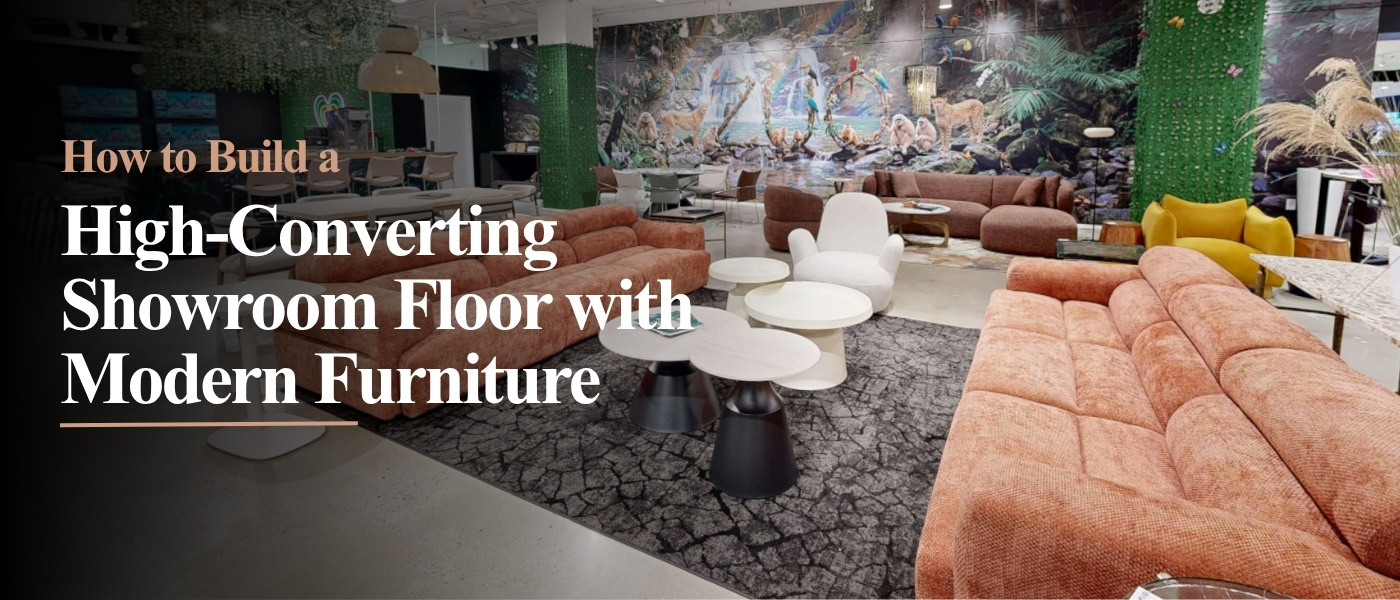
- Showroom floors where first impressions matter
- Hospitality installations where durability and appearance affect guest experience
- Retailers or designers who want clean, ready spaces without labor-intensive setup
- Environments expecting high traffic or repeat use
Zuo’s Approach to Shipping & Quality
Zuo’s blog emphasizes how they absorb ocean freight rate increases and secure strategic freight contracts, enabling them to offer consistent pricing and timely shipping across their in-stock catalog—even without relying on flat-packed RTA models.
In April 2025, Zuo announced a pricing freeze across their entire in-stock catalog, including indoor/outdoor furniture, lighting, and décor. This indicated their confidence in managing shipping cost volatility while supporting retailer margin stability.
These operational strengths allow Zuo to offer predictable lead times and white-glove delivery services—even for heavier or bulkier pieces that would be impractical to ship flat.
What Retailers & Designers Should Consider
Inventory & Display Decisions
If your floor needs consistent, tangible quality and flawless presentation, fully assembled product offers reliability. Display increasing demand for modular deliveries (transformable sofas, sectional pieces) but invest in backstock for ease of turnaround.
Cost Planning
RTA saves on immediate freight costs, but fully assembled units reduce assembly errors, damage returns, and labor. Factor in potential training time or staffing if you choose RTA options.
Customer Demographics
If your market includes rental tenants, transient populations, or first-time buyers, RTA models can hit price points effectively. For high-end clients or designers who demand finish consistency, fully assembled is a better fit.
Trust & Risk Mitigation
RTA furniture—especially imported models without local assembly oversight—carries risk of damage during home build-out, missing parts, or warranty complications. Zuo’s in stock U.S. warehouses and white glove policies minimize these risks.
Final Thoughts: Balance Matters
Ready to assemble furniture has a firm place in home furnishings: cost effective, transport efficient, and appealing for entry level or lightweight needs. But when durability, quality perception, and customer experience take priority, brands like Zuo Modern stand apart with fully assembled, white-glove delivery models backed by strategic shipping operations.
If you’re building showroom trust, staging hospitality interiors, or seeking long-term satisfaction in residential installs, paying a little more for assembled delivery often translates into fewer returns, stronger reviews, and easier sales conversations.
Email us at hello@zuomod.com with any questions.
Or give us a call at 510-877-4087 (Mon-Fri: 5:00 AM-5:00 PM PT)