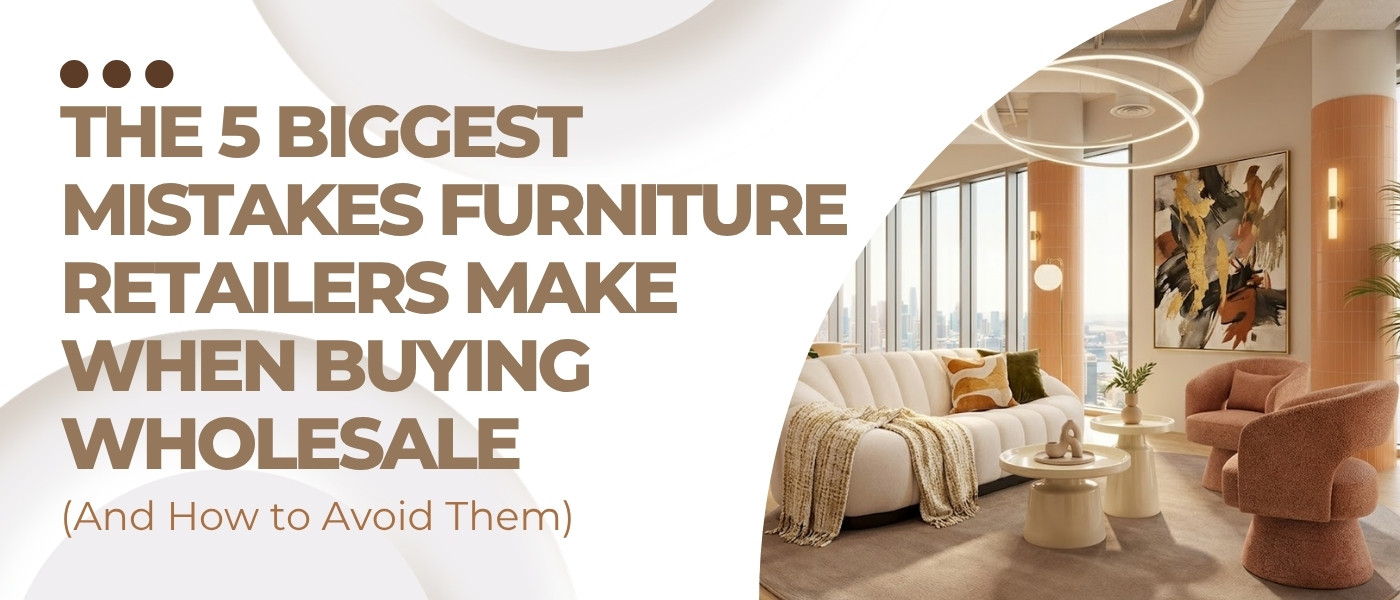
Furniture shopping is unlike buying most other products. While many consumer goods can be chosen from a screen and delivered in a box, furniture plays a far deeper role in our lives. It’s not just a purchase—it’s a statement about who we are, how we live, and how we want our homes to feel. Every chair, sofa, dining table, or bed becomes part of the everyday backdrop to our lives, hosting countless moments that make up the story of a home.
That’s why shopping for furniture in a retail store offers a unique, irreplaceable experience—one that connects to the emotions of every household member, allows for side-by-side comparisons of multiple brands, and gives access to knowledgeable sales professionals who have first-hand experience with the products they sell. In a world where online shopping dominates, the physical furniture store remains a sanctuary for connection, exploration, and informed decision-making.
1. Furniture and the Emotional Landscape of Home
When you walk into a furniture store, you’re not just browsing inventory—you’re envisioning a lifestyle. Home is deeply personal, and the furniture within it shapes both how it functions and how it feels.
Unlike online shopping, where images are carefully staged and lighting is digitally optimized, a showroom lets you experience furniture in real space. You can sit on the sofa you’re considering for family movie nights, pull up a chair at a dining table and imagine holiday dinners, or see whether a bed frame’s scale suits the cozy or expansive look you want for your bedroom.
This tangible connection engages emotions in a way that a thumbnail on a screen never could. Every household member—whether it’s a spouse, a parent, or a child—can participate in the decision. Kids might try out bunk beds, a partner might test a recliner’s comfort, and everyone can give input on what “feels right”for the home.
That collaborative, shared experience is hard to replicate digitally. Furniture shopping in-store becomes not just a transaction but a family moment—one that blends excitement, imagination, and a shared vision for how your home will look and feel.
2. Experiencing Multiple Brands in One Visit
One of the strongest advantages of visiting a furniture store is the ability to explore multiple brands side-by-side. Online, comparisons are often abstract. You might have a dozen browser tabs open, each showing a different photography style, color rendering, or list of specifications.
In a physical store, comparisons are immediate and tactile. You can:
- See color differences in real lighting. That “neutral beige”from one brand may appear warmer or cooler than another when viewed side-by-side.
- Evaluate finishes directly. Is that wood veneer convincing enough, or do you prefer the feel of solid oak?
- Test comfort back-to-back. The seat depth of two sofas can feel dramatically different once you actually sit on them in succession.
- Check proportion and style cohesion. You can quickly tell whether a coffee table’s scale works with a particular sectional or if two chairs complement a dining table’s design.
This multi-brand environment helps you make decisions faster and with greater confidence. It removes the guesswork of trying to imagine how a piece from Brand A will work with another from Brand B when you’ve never seen them in the same space.
It also opens the door to discovering new brands you might never have encountered online. Showrooms often mix household names with boutique or emerging labels, giving shoppers a wider, richer set of options.
3. The Value of Hands-On Sales Expertise
One of the most underappreciated benefits of furniture store shopping is direct access to sales professionals with first-hand product knowledge.
Online, even the most detailed product description can’t answer every question. You might wonder: How does this sofa hold up after three years? What’s the warranty process like? Does this finish require special maintenance? Is the dining table susceptible to water rings?
In a retail store, you can ask these questions and get answers informed by real-world experience. Salespeople aren’t just reading from a spec sheet—they’ve touched, moved, and assembled the pieces you’re considering. They often know how the products perform in actual homes because they’ve received feedback from past customers.
A seasoned furniture salesperson can:
- Suggest alternate models that might better fit your needs and budget.
- Warn you about pieces that may not suit your lifestyle (for example, a delicate fabric in a home with pets).
- Provide insight into which brands stand behind their warranties and which ones don’t.
- Offer care and maintenance tips to help your purchase last longer.
This human connection not only builds trust but also improves the quality of your purchase. It’s the difference between buying a piece that just looks good today and choosing one that will serve you well for years.
4. Seeing Scale and Proportion in Real Space
One of the greatest challenges in buying furniture online is judging scale and proportion. Even with dimensions listed, it can be difficult to imagine how a sofa’s depth will feel or how high a coffee table will sit in relation to a chair.
In a store, scale becomes instantly clear. You can stand next to a bookshelf and see whether it’s comfortably within reach. You can walk around a dining table to gauge traffic flow. You can check whether a sectional’s chaise is long enough to stretch out on.
This real-world perspective helps prevent costly mistakes, such as buying a sofa that overwhelms a room or a dining set that feels too cramped for comfort. It also allows you to consider ergonomics—whether a chair’s lumbar support is in the right place, or if the armrests on a sofa are at a comfortable height.
5. Engaging All the Senses
Furniture is more than just visual—it’s tactile, auditory, and sometimes even olfactory. The in-store experience engages all your senses in a way a website can’t.
You can feel the softness or firmness of cushions, the smoothness of a lacquer finish, or the texture of a boucle fabric. You can hear the sturdiness of a drawer glide or the quiet close of a cabinet door. You can even smell the materials—real leather, natural wood, or freshly finished fabrics—providing clues to quality and authenticity.
These sensory impressions are vital to forming a complete picture of the furniture you’re buying. A photograph might capture a look, but it can’t tell you whether a chair feels supportive, a table surface is pleasant to the touch, or a recliner’s mechanism operates smoothly.
6. The Instant Feedback Loop with Household Members
Shopping for furniture in-store also creates a real-time dialogue between household members.
In the moment, you can exchange opinions: “This chair is comfortable, but do we like the color?”or “This sectional fits all of us, but is it too bulky for the room?”This immediate feedback helps align preferences and avoids the delays of sending links, waiting for responses, or discovering disagreements after an online order arrives.
This collaborative decision-making fosters a sense of shared ownership over the choice. Everyone feels they’ve contributed to the final selection, which can make the furniture feel more meaningful once it’s in the home.
7. Inspiration from Styled Environments
Furniture showrooms are curated environments designed to spark ideas. Rather than browsing isolated product images, you can see how a sofa pairs with a rug, how lighting affects the mood of a dining set, or how accessories can tie a room together.
These inspirational vignettes can help you visualize pieces in your own home and may lead you to design solutions you hadn’t considered—perhaps pairing modern chairs with a traditional table, or using bold accent pieces to energize a neutral palette.
This kind of visual education is invaluable, especially for shoppers who may feel uncertain about design decisions. It turns the shopping trip into both a buying and a learning experience.
8. The Emotional Closure of “Taking It Homeâ€
For many shoppers, there’s a special satisfaction in making a decision and knowing their new furniture is on its way—sometimes even the same day.
While online orders often involve waiting weeks for delivery, in-store purchases may offer immediate pickup or faster local delivery. That instant gratification not only satisfies excitement but also allows you to quickly enjoy the transformation in your home.
The ability to finalize a decision, pay, and set a delivery date all in one visit creates a sense of accomplishment and certainty that’s harder to replicate online.
9. Supporting Local Communities
Shopping in a physical store also supports local jobs and businesses—from sales staff to delivery teams to warehouse crews. These people often live in the same community as the shopper, creating a local economic ripple effect.
Additionally, many brick-and-mortar stores partner with regional charities, sponsor community events, or work with local artisans. Choosing to shop in-store can help sustain these contributions and keep neighborhood retail districts vibrant.
10. Conclusion: The Enduring Value of the Showroom Experience
While online furniture shopping offers convenience and reach, it cannot replace the emotional, sensory, and interpersonal dimensions of visiting a retail store. In-person shopping allows you to:
- Connect deeply with the emotional meaning of home.
- Experience multiple brands side-by-side.
- Benefit from the knowledge and honesty of experienced sales staff.
- Share the process with household members in real time.
Furniture is not a disposable purchase—it’s part of the story of a home. The process of selecting it should be as meaningful and satisfying as living with it. That’s why the furniture store remains more than just a place to shop—it’s a place where visions become tangible, decisions become shared, and houses become homes.
Email us at hello@zuomod.com with any questions.
Or give us a call at 510-877-4087 (Mon-Fri: 5:00 AM-5:00 PM PT)